
奋斗吧少年电视剧在线观看
视频简介
二十世纪二十年代初的上海,红牌舞女梁云袖出淤泥而不染,不但得到舞女曼丽的友情,富家公子赵龙飞和小商人陈光明更对她痴心一片。云袖不重名利,嫁给了性格怯懦的光明,婚后一心相夫教子。但商场失意的光明与女大学生赵凤翔有染,凤翔产下一子后自杀身亡,失魂落魄的光明又因杀人畏罪潜逃,从此下落不明。云袖坚强地独自抚养亲生儿子士廷,以及凤翔的儿子纪翔长大。但士廷却如父亲光明一样毫无担待,为图名利抛弃了恋人美青,选择了周家大小姐安娜。他渐渐变得惟利是图,与始终追求云袖的赵龙飞对立。云袖虽有意接受龙飞,但士廷对龙飞的排斥、曼丽对龙飞的追求,更致命的是龙飞是凤翔的哥哥。这些让云袖和龙飞之间始终有隔阂,她最终用爱和执着感动了所有人,也被为救士廷而落得终身残疾的龙飞的一片真情所感动,走到了他的身边。 @ (经典影院)。Eburi is a 36 year-old man. Nothing enthuses him any more. While being drunk, he promises to contribute a story to a magazine. When he sobers down, he decides to write about the life of a salaried employee like himself who is very ordinary, not particularly talented. The following is his story: In 1949, Eburi gets married to Natsuko. His monthly salary is 8,000 yen and hers 4,000 yen. Therefore, both have to work to support themselves. Eburi has developed a habituIl tendency to pester around when he gets drunk. One year after their marriage, son Shosuke is born. In 1959, Eburi's mother dies in despair of her husband who has become listless due to the several ups and downs of gaining big profits and going bankrupt. His father is still alive and Eburi is enable to find a way to pay his father's debts. He is doubtful if he can make his wife and child happy. Nevertheless, he has somehow managed to survive so far, living in one of the houses at the employee housing quarters. He gives the title "The Elegant Life of Mr. Everyman" to his story of half novel and half essay style. When it is published, it receives the Naoki Literary Prize (the award given in memory of popular writer Naoki Sanjugo). At a party to celebrate his award, he gets drunk and pesters around. Notes The film is based on a novel written in the style of an essay under the same title by Yamaguchi Hitomi, depicting everyday life of a man categorized as "During-the-war Generation" who spent school days during the war and get married to start new life in the struggling post-war era. "Everyman" in the title means an average salaried employee who makes up an overwhelming majority of the city population in Japan, and "The Elegant Life" indicates sarcasm on betterment of the standard of living of ordinary salaried employees accompanied with Japan's economic growth after only a decade from the destroyed post-war period. As depicted in the film, the author Yamaguchi Hitomi was awarded the Naoki Literature Prize for this story. When he established himself well enough to become independent, he quit working as a salaried employee. Director Okamoto Kihachi and the leading actor Kobayashi Keiju belong to the same generation as the author. Exploiting innovative effects such as inserting animation sequences, the film humorously presents compassion of a middle-aged salaried employee. Kobayashi Keiju, who was originally noted for his excellent portrayal of salaried employee, won the best leading actor award of the Mainichi Film Contest for his superb performance in this picture.。
相关推荐
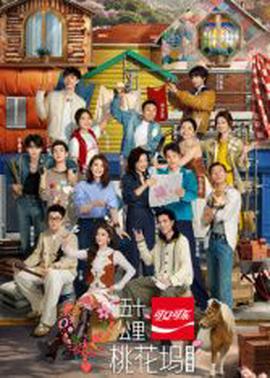
五十公里桃花坞第6季

四大元素之风之恋歌

懒修封神

万界御龙:绝脉少年跨界抓龙

一念神武,一念情深

岩元前辈的推荐

暗黑灯火

国乐无双

Proud 2026

复婚前规则

扁豆爱焖面

这不是一个谋杀谜团第一季

天国男孩

金特务:本色回归

婚姻之后 결혼의 완성

扁豆爱焖面

共感细胞

特工穿越:我的秦朝开挂了

猫与龙

婚姻之后

平面图

同级生(2016)

处男老师的超级任务
